Security Practitioner
SEARCH
CATEGORIES
TAGS
Understanding Log4Shell: the Apache log4j2 Remote Code Execution Vulnerability (CVE-2021-44228, CVE-2021-45046)
December 10, 2021
Understanding Log4Shell: the Apache log4j2 Remote Code Execution Vulnerability (CVE-2021-44228)

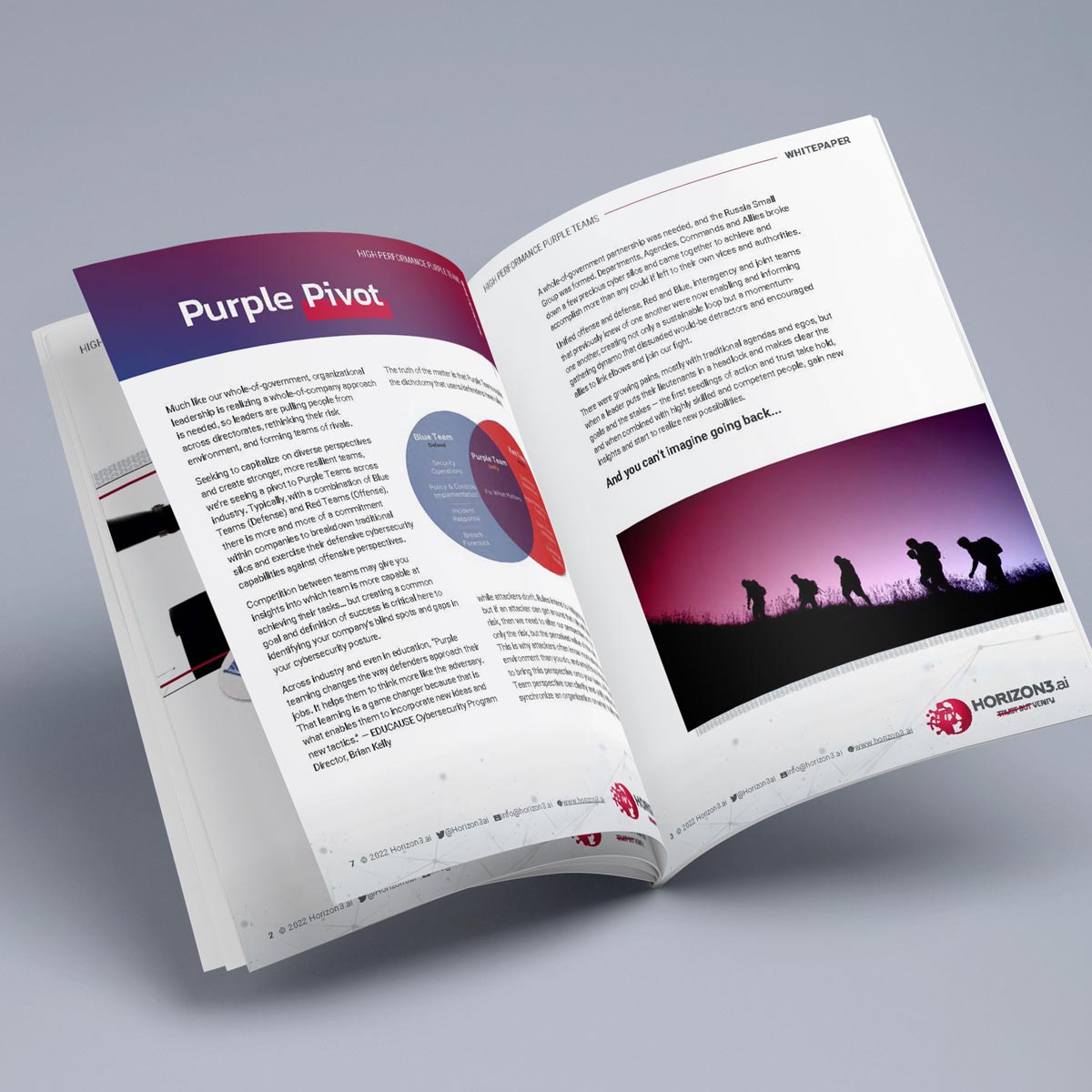
The Purple Pivot
November 18, 2021
This Red vs. Blue approach to cybersecurity is unsustainable, and often does more harm than good. The goal should be Red AND Blue, working together.
Multiple Vulnerabilities in ResourceSpace
November 9, 2021
During our assessment of the ResourceSpace code base, we found three new vulnerabilities that could be exploited by an unauthenticated attacker. The most critical is CVE-2021-41765, a pre-auth SQL injection that an attacker can abuse to gain remote code execution (RCE) privileges on the ResourceSpace server.
Apache CVE-2021-41773, CVE-2021-42013
October 18, 2021
We wanted to do something a little bit different with this post. Our vulnerability disclosures, exploit proof-of-concepts, and attack analysis blog posts have been awesome, but they have been catering to an offensive security audience.

Exposed & Exploited
October 16, 2021
While so many are focused on vulnerabilities and malware on endpoints, understanding the attack paths an attacker would exploit to hold your business and brand at risk is key.

Compromising vCenter via SAML Certificates
October 4, 2021
Overview A common attack path that Horizon3 has identified across many of its customers is abusing access to the VMware vCenter Identity Provider (IdP) certificate. Security Assertion Markup Language (SAML) has proved to be a hotbed of vulnerabilities within the last year, as well as a target of many cybercrime syndicates and APTs. In the…

OMIGOD – RCE Vulnerability in Multiple Azure Linux Deployments
September 16, 2021
Overview On September 14, multiple vulnerabilities were discovered by researchers at Wiz.io. The most critical of them being CVE-2021-38647, now dubbed OMIGOD, which effects the Open Management Infrastructure (OMI) agent in versions 1.6.8.0 and below. Azure customers effected by this vulnerability are still vulnerable and must take manual action to ensure the OMI agent is updated.…

Confluence Server OGNL Injection: CVE-2021-26084
September 13, 2021
On August 25, 2021, Atlassian released a security advisory for CVE-2021-26084, an OGNL injection vulnerability found within a component of Confluence Server and Data Center. This critical vulnerability allows an unauthenticated attacker to execute arbitrary commands on the server. A few days later, on August 31, security researchers @iamnoob and @rootxharsh quickly developed a working proof of concept given the vulnerability…

ProxyShell: More Ways for More Shells
September 4, 2021
In August, Orange Tsai released details and also spoke at BlackHat and DEFCON detailing his security research into Microsoft Exchange. His latest blog post details a series of vulnerabilities dubbed ProxyShell. ProxyShell is a chain of three vulnerabilities: CVE-2021-34473 - Pre-auth Path Confusion leads to ACL Bypass CVE-2021-34523 - Elevation of Privilege on Exchange PowerShell Backend CVE-2021-31207 - Post-auth Arbitrary-File-Write leads to…

Tech Talk: Compliance in Security
In the world of network security, compliance is the bare minimum. Compliance is locking your door, but what about your windows?