Resource Center
Welcome to our cybersecurity resource center where we uncover how malicious actors exploit weaknesses in systems, while going beyond the technical aspects and examining real-world perspectives across various industries.
LATEST VULNERABILITIES
CVE-2026-114938, known as Java4Shell, is a high-severity heap buffer overflow in Java's Base64 decoder. Exploitation depends on specific processor, runtime, and application conditions.
Read More →CVE-2026-119618 is a critical race condition in Apache HTTP Server's mod_http2 that can lead to remote code execution without credentials. Fixed in 2.4.71. See affected versions, mitigations, and the NodeZero Rapid Response test.
Read More →Featured

WEBINAR REPLAY

SEARCH
CATEGORIES
TAGS
SEARCH
CATEGORIES
TAGS
5 Key Benefits of NodeZero for Enhancing Security in Financial Services Organizations
November 9, 2026
Discover 5 key benefits of NodeZero™ to enhance cybersecurity in financial services. Reduce risk, boost efficiency, and streamline compliance.

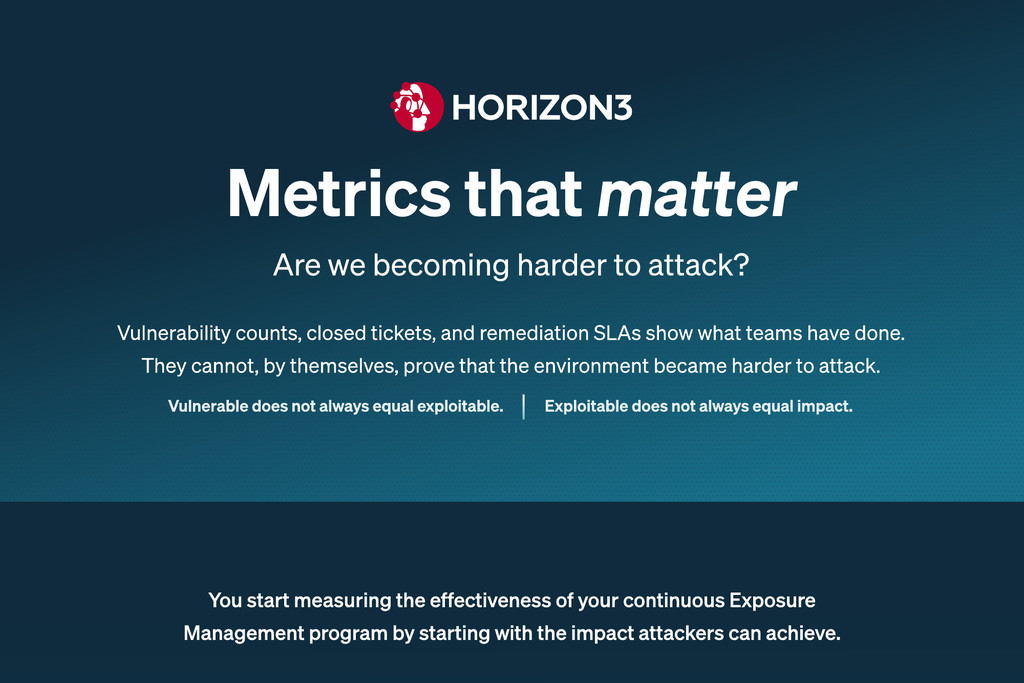
Metrics That Matter: Are We Becoming Harder to Attack?
November 8, 2026
Closed tickets and remediation SLAs show what teams have done, not whether the environment is harder to attack. This infographic outlines four Exposure Management metrics: attack paths and impacts, speed of impact reduction, verification coverage, and recurrence.
CVE-2026-123158
November 6, 2026
CVE-2026-123158, known as *sshole, is an OpenSSH sshd authentication bypass on Linux systems that use musl libc without PAM, including Alpine Linux in its default configuration.
AI-Powered Penetration Testing: How Autonomous Offensive Security Works
November 2, 2026
Your Environment Changes Every Day. Can Your Penetration Testing Keep Up? Traditional penetration tests provide valuable insights, but their findings reflect a moment in time. As applications, identities, infrastructure, and attacker techniques evolve, yesterday's assessment may no longer reflect today's exposure. This SANS Spotlight paper explores how AI-powered penetration testing makes continuous offensive validation practical.…

Cybersecurity Assumptions Graveyard
How AI is raising the need for a new exposure management operating model AI has turned yesterday’s cybersecurity assumptions into ghosts—and attackers are moving at machine speed. Join us to uncover the hidden exposures haunting your environment and learn how a new exposure management operating model can help banish alert overload and build cyber resilience.
Why Old Vulnerability Management Habits Keep Rising from the Grave
October 29, 2026
Three customer stories show how to keep severity-only priorities and closed-ticket counts from undermining your CTEM program by tying findings to attack paths and verifying fixes.

CVE-2026-20362
October 28, 2026
CVE-2026-20362 is a high-severity SSRF vulnerability in Cisco Finesse discovered by Horizon3 researchers, with affected versions, mitigations, and a NodeZero Rapid Response test.

CVE-2026-109618 / CVE-2026-109619
October 23, 2026
Advisory for PHP2Shell (CVE-2026-109618 and CVE-2026-109619): affected PHP versions, fixed releases, mitigations, monitoring guidance, and the NodeZero Rapid Response check.

CVE-2026-76268
October 22, 2026
Horizon3.ai's NodeZero Rapid Response test helps security teams validate exposure to CVE-2026-76268, a critical Splunk Enterprise vulnerability that could allow unauthenticated attackers with network access to execute operating-system commands.

PHP2Shell Exposure Depends on More Than Whether You Use PHP
October 22, 2026
PHP2Shell exposure can extend into bundled runtimes, containers, and hosted applications. Learn why identifying affected PHP is only the first step toward validating exploitability.